
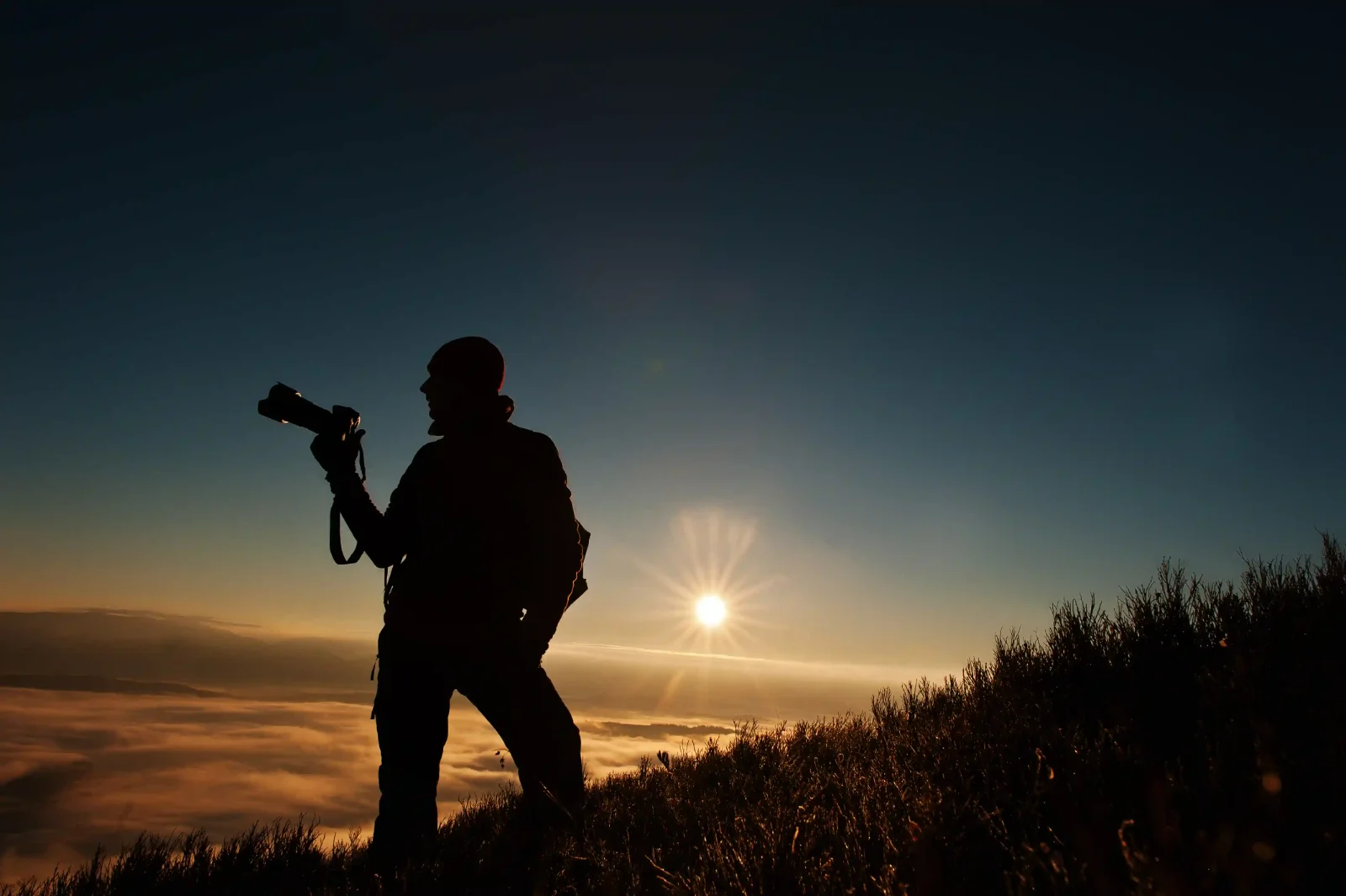
Photography Composition Techniques That Make Every Shot Stronger
Great photos rarely come from expensive gear. They come from smart framing, and these photography composition techniques show you exactly how to build it into every shot.
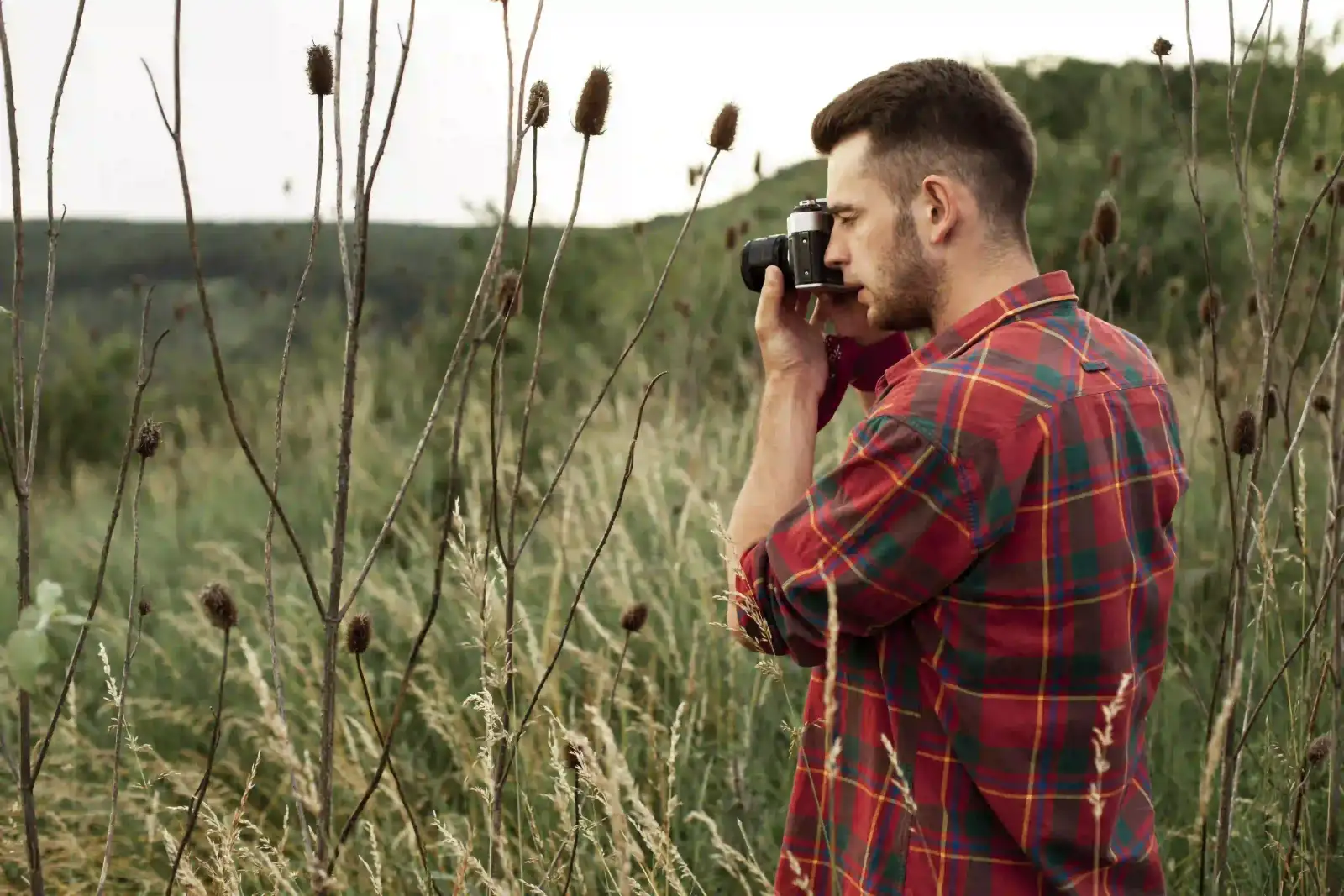
Why Composition Matters More Than Your Camera
Two people can stand in the same spot with the same camera and walk away with completely different photos. The difference is almost always where they placed things in the frame.
Composition is simply how you arrange your subject, background, and empty space. Once you see it, you can’t unsee it, and your photos start to look intentional instead of accidental.
- It guides your viewer’s eye where you want it to go
- It turns ordinary scenes into images with a clear story
- It works with any camera, including the phone in your pocket
That’s why learning a few photography composition techniques pays off faster than any gear upgrade.
6 Photography Composition Techniques to Learn First
You don’t need to memorize a textbook. Start with these six and practice one at a time.
Rule of Thirds
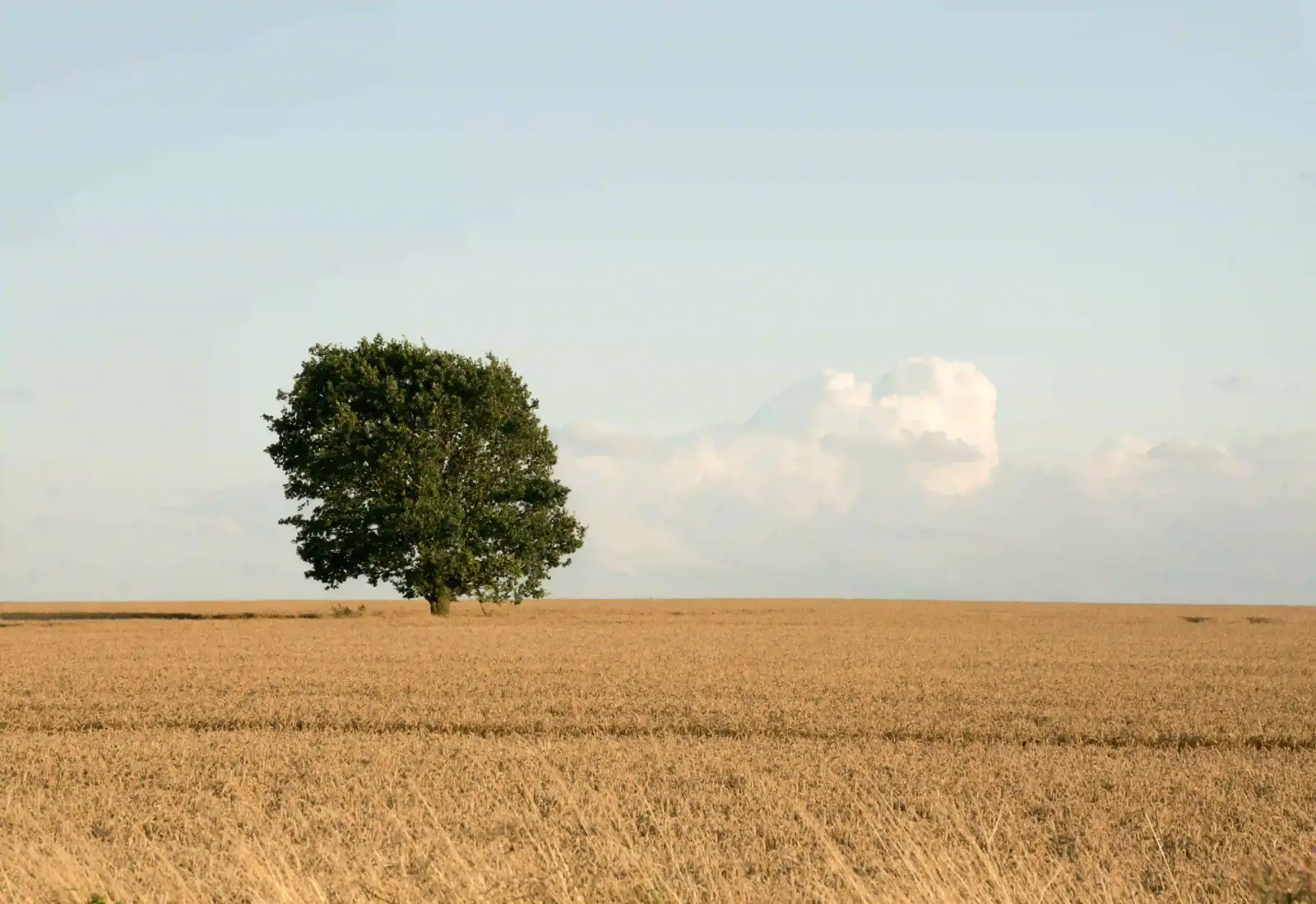
Picture your frame split by two horizontal and two vertical lines. Place your subject on one of those lines or where they cross, and the shot instantly feels more balanced.
Most cameras and phones can show this grid on screen. Turn it on and leave it on.

Leading Lines
Roads, fences, rivers, and shorelines all pull the eye through a photo. Position yourself so those lines run toward your subject, not away from it.

Framing Within the Frame
Shoot through a doorway, a window, or a gap in the trees. A natural frame adds depth and points straight at what matters.
Symmetry and Patterns
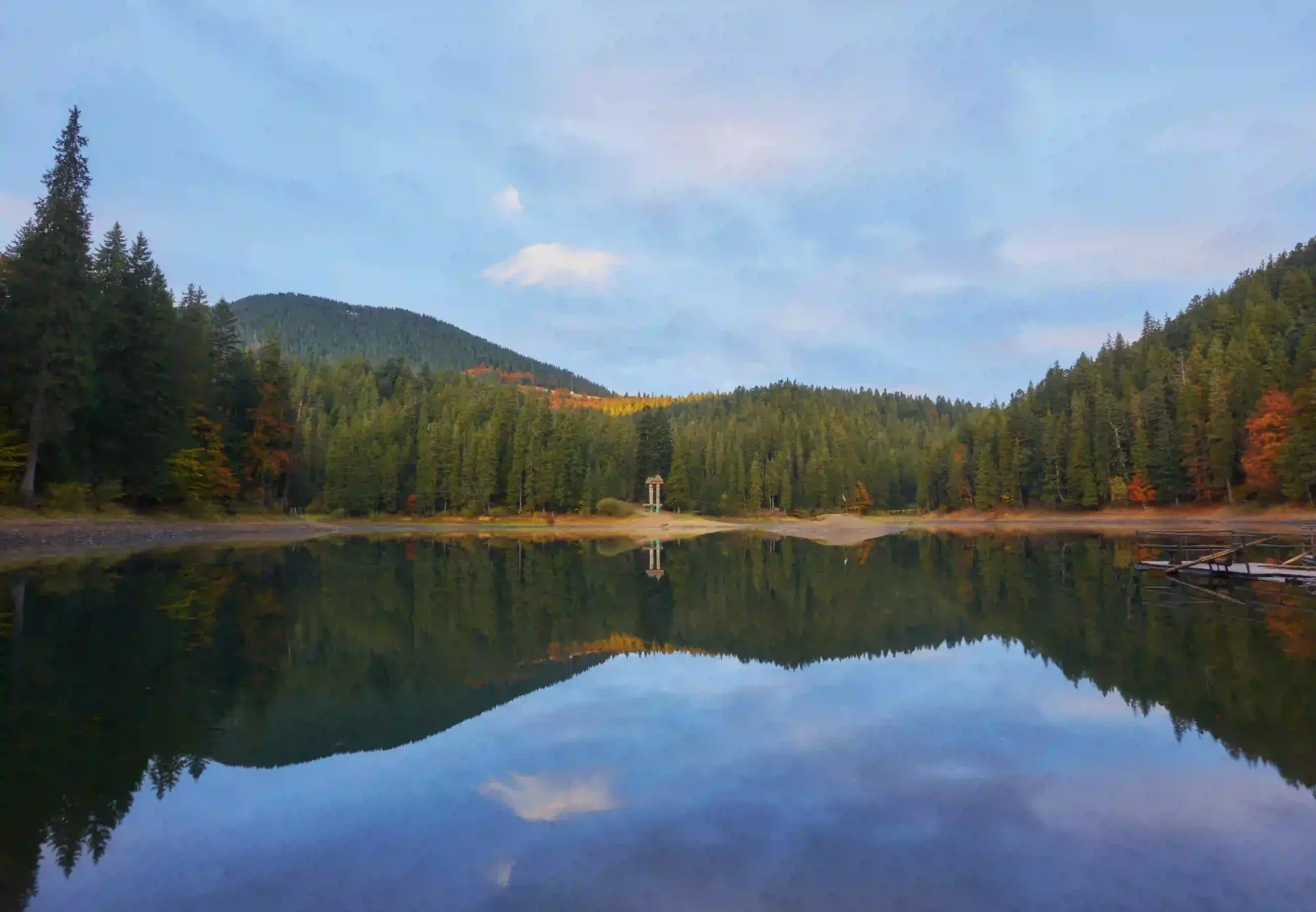
Reflections, buildings, and rows of repeating shapes look striking when you center them. Break the pattern with one odd element and you’ve got a focal point.

Negative Space
Empty sky or a plain wall gives your subject room to breathe. A small subject surrounded by space often feels calmer and more powerful than a cluttered shot.
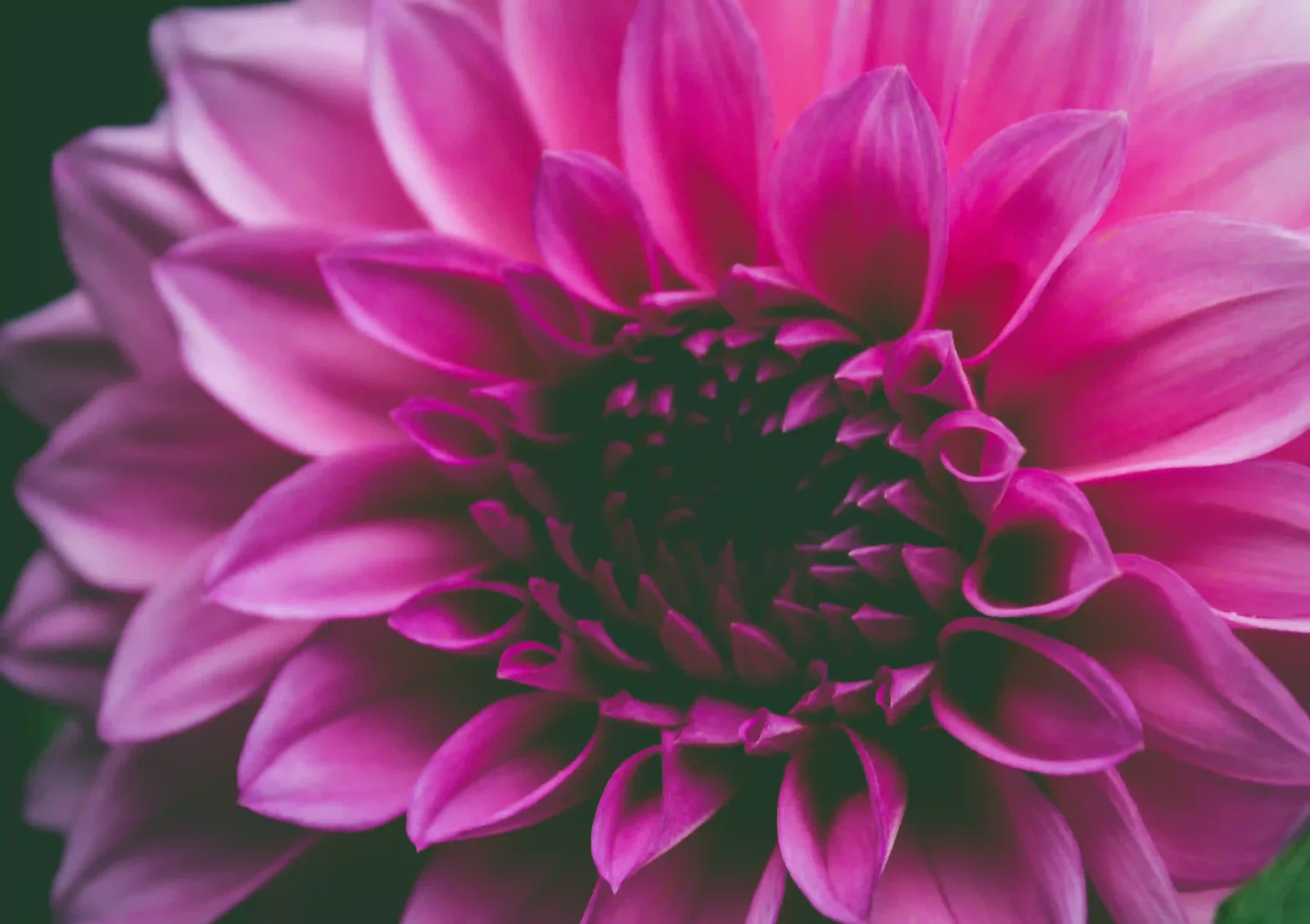
Fill the Frame
When the background adds nothing, step closer. Filling the frame with your subject removes distractions and shows details your viewer would normally miss.
How to Practice Composition Techniques in 3 Steps
Skills stick when you practice with purpose. Try this simple routine on your next walk.
Step 1: Pick One Technique
Choose a single rule for the whole outing, like leading lines. Narrowing your focus trains your eye much faster than trying everything at once.
Step 2: Shoot the Same Subject Several Ways
Take one photo straight on, then move left, right, higher, and lower. You’ll be surprised how much a small step changes the result.
Step 3: Review and Compare
Look at your shots side by side at home. Ask yourself which one leads your eye most clearly, and why.
Use Composition in Every Style of Photography
These rules travel with you into every genre. In landscape photography, leading lines and a strong foreground give your scenes real depth.
During golden hour, long shadows become lines and shapes you can build a composition around. When you play with depth of field, a blurred background becomes negative space that makes your subject pop.
Explore the beginner guides on this site to see each technique in action.
Common Questions About Composition
Here are quick answers to what beginners ask most.
What Is the Easiest Composition Rule for Beginners?
The rule of thirds. Turn on your camera’s grid and place your subject on one of the lines.
Do I Need an Expensive Camera to Improve Composition?
Not at all. Composition is about where you stand and what you include, so a phone works just as well for practice.
Should I Always Follow Composition Rules?
Treat them as starting points. Once you understand why they work, breaking them on purpose can create some of your most memorable shots.
How Long Does It Take to Get Better at Composition?
Most people notice a real difference within a few weeks of focused practice. Shooting a little every day beats one big session a month.
Can I Fix Composition After Taking the Photo?
Cropping helps, especially for straightening horizons or tightening the frame. Still, getting it right in camera gives you more pixels and more options.
What Should I Learn After Composition?
Light is the natural next step. Learning how light changes through the day will make your well-composed shots look even better.
Start Taking Photos You’re Proud Of
Pick one of these photography composition techniques today and use it on your very next shot. Small changes in framing add up fast.